
 Eng
Eng  Укр
Укр AUB News
AUB organized a webinar where ISSP and Cyber Academy presented comprehensive solutions for strengthening cyber resilience in the financial sector
The Association of Ukrainian Banks (AUB), together with ISSP and Cyber Academy, held a webinar attended by about 80 bank representatives.
ISSP and Cyber Academy, together with the Association of Ukrainian Banks (AUB), held a webinar attended by about 80 bank representatives. The main purpose of the event was to demonstrate comprehensive cybersecurity solutions that ISSP and its partners offer to banks to improve their cyber resilience. Experts discussed new cyber risks and current regulatory requirements, as well as practical ways to improve the digital resilience of banks.
New regulatory requirements and cyber resilience of banks
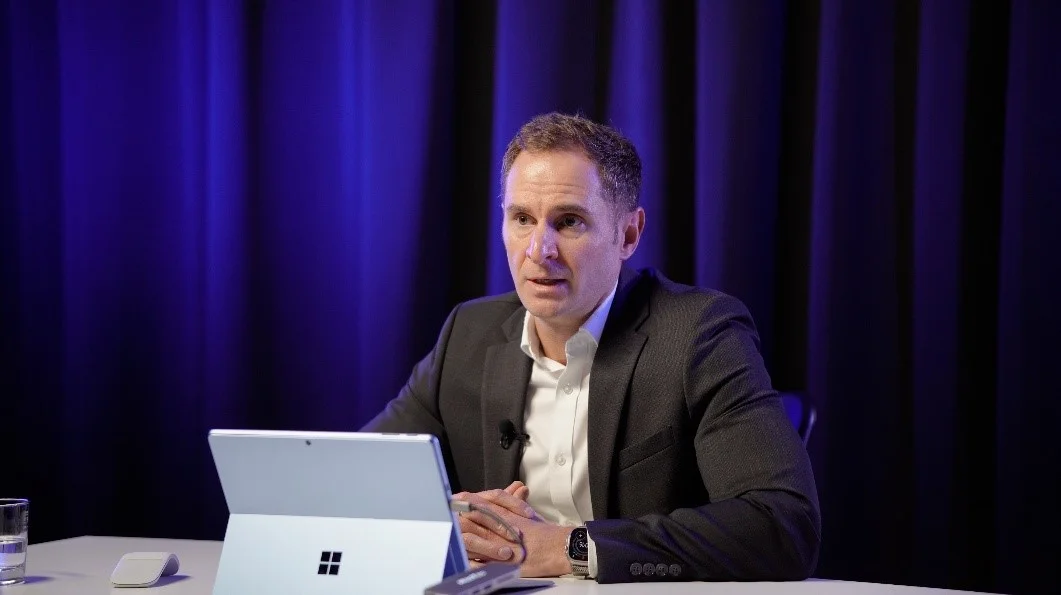
Roman Sologub, CEO of ISSP, presented a map of current regulatory changes in the field of cybersecurity. His review focused on ISO 27001, ISO 27701 standards, key European regulations (GDPR, DORA, PSD2, NIS2) and their harmonization with the requirements of the NBU. A bank's cybersecurity begins with cyber resilience—this is already a requirement of European regulations. Roman Sologub also outlined a practical model for implementing digital operational resilience and presented ISSP's package of service solutions for banks, which includes:
- Strategic Advisory and Security Plan Implementation—comprehensive support for banks in meeting security requirements.
- Security Posture Management – a service package of preventive measures.
- Readiness & Preparedness – a service package for ensuring cyber resilience.
- Managed Detection & Response (MDR) and SOC Automation Platform – ISSP SOC products for monitoring and automating cyber protection.
Training cybersecurity specialists
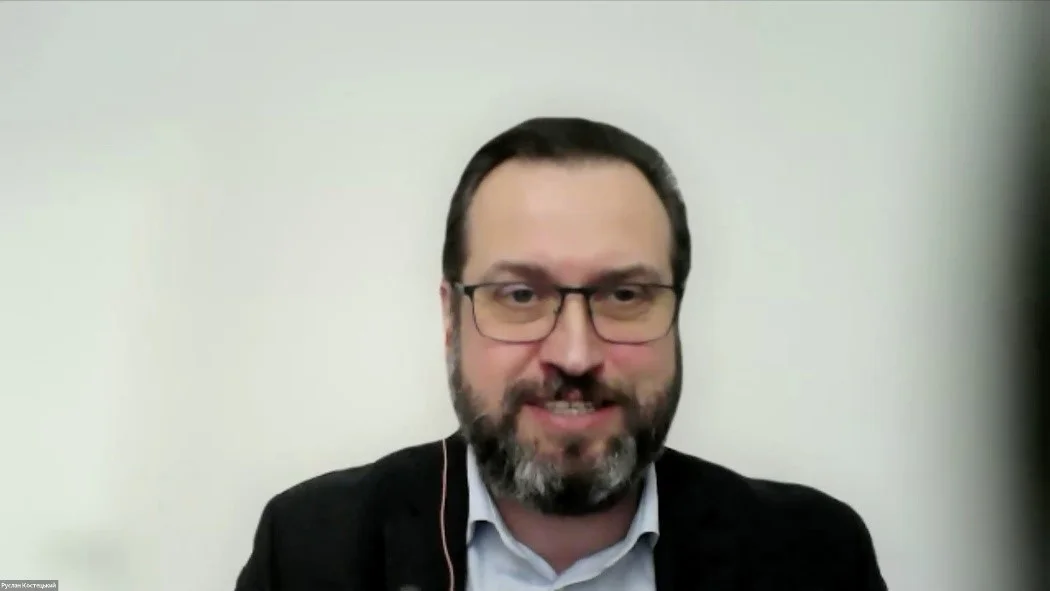
Yuriy Samokhvalov, senior expert at the ISSP Training Center, focused on the issue of training cybersecurity specialists. He presented tools for corporate staff training, including solutions such as:
- certification and authoring courses for different levels of specialists;
- cyber hygiene programs to raise staff awareness;
- cyber ranges and simulations to practice response skills;
- comprehensive training programs for banks on a digital platform.
- According to the expert, developing staff competencies is an investment in the bank's cybersecurity, which significantly increases its protection against cyberattacks.
Digital security culture and interbank cooperation
Valery Tsyupa, CEO of the International Cyber Academy, shared practices for shaping a cybersecurity culture for use in financial institutions. He gave examples of conducting TTX (table-top exercises) to practice actions in various cyber incidents for Critical Infrastructure, as well as the practice of interactive training on digital hygiene and GDPR for large groups of personnel in the public and corporate sectors. Separately, Valery Tsyupa emphasized the importance of interbank cooperation in the field of cyber resilience—the exchange of experience and joint training will allow banks to more effectively counter modern cyber threats and develop international cooperation.
A comprehensive approach is the key to cyber resilience
The webinar showed that a comprehensive approach—from technologies and standards to staff training and culture development—is the key to banks' cyber resilience. Cooperation and experience sharing strengthen cyber resilience, because comprehensive bank protection begins with cyber resilience.
ISSP and Cyber Academy invite Ukrainian banks to cooperate in implementing modern cybersecurity solutions to increase their cyber resilience, provide reliable protection against cyber threats, and implement European standards.


Subscribe to our newsletter

Contacts
15, Yevhena Sverstyuka str.,
Kyiv, 02002 Ukraine
Email :
office@aub.org.ua
Phones:
+380 (44) 516-8775