
A credit history is one of the key indicators of a person’s financial reputation. It is this history that banks and other financial institutions analyze before deciding whether to grant a loan. At the same time, it can affect not only access to financing but also the ability to take advantage of government support programs or other financial products.
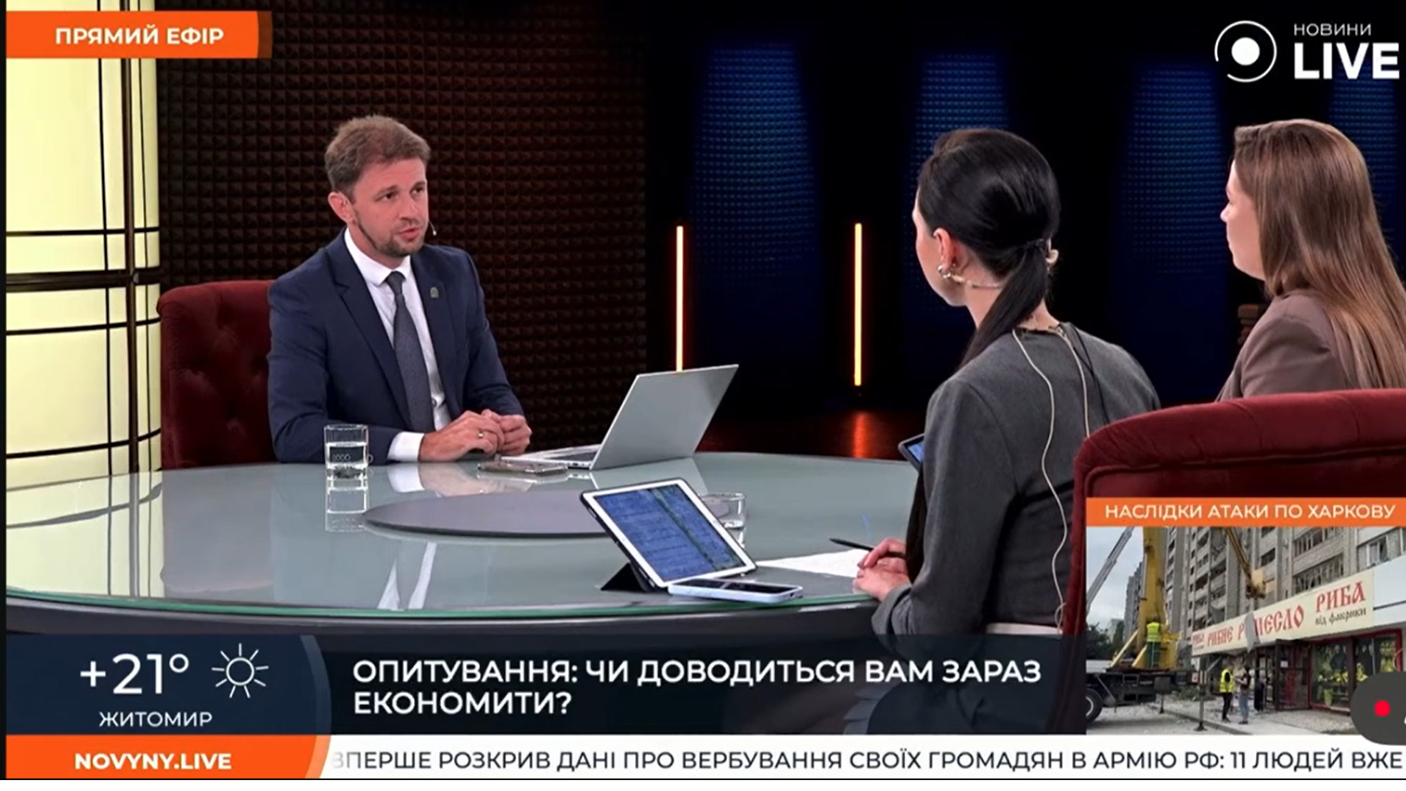
During an appearance on the “100,000” program on Ukrainian Radio, Andriy Dubas, President of the Association of Ukrainian Banks, explained how a credit history is formed, what information it contains, and why access to many financial services depends on it.
What Is a Credit History?
According to Andriy Dubas, a credit history is a kind of financial resume for an individual, which is built up as they use credit products from banks and other financial institutions.
“If you’ve never applied for a loan from a financial institution in Ukraine, then you won’t have any credit history,” he explained.
At the same time, the absence of a credit history is not an advantage. As the AUB President notes, it is much easier for a bank to assess a customer who already has experience with loans and has fulfilled their financial obligations.
“Having a credit history is better than not having one, even if there were some minor violations or late payments,” emphasized Andriy Dubas.
He compared a credit history to a business reputation: if a person has already fulfilled their obligations, the level of trust in them will be significantly higher than in someone about whom there is no information at all.
What Information Does a Credit History Contain?
Despite a common myth, a credit history does not contain information about a person’s specific purchases.
According to Andriy Dubas, credit bureaus record only basic information about credit obligations:
the financial institution that issued the loan;
the type of loan;
the loan amount;
the repayment term;
information on whether obligations were met or not;
the presence and duration of delinquencies.
“You won’t see that it was, for example, a cell phone or a motorcycle. What’s shown there is the consumer loan, the amount, the bank, the repayment terms, and information about delinquencies,” he noted.
How to Check Your Credit History
The president of the Association of Ukrainian Banks recommends that every Ukrainian check their credit history at least once a year.
According to him, there are several credit bureaus operating in Ukraine. Most of them allow you to obtain information about yourself once a year for free, and subsequent requests are relatively inexpensive.
“I urge our listeners to take advantage of this opportunity. It’s a kind of financial resume for an individual, and it’s important to know what it looks like,” emphasized Andriy Dubas.
Regular checks allow you to ensure that the information is up to date, identify potential errors in a timely manner, and be prepared to apply for a loan or participate in government support programs.
Can Errors Be Corrected?
Information is submitted to credit bureaus by banks and financial companies. They are the ones who can correct entries if a client discovers inaccuracies.
According to the AUB president, if a person believes that the information in their credit history is incorrect, they must contact the specific financial institution that made the entry in question.
At the same time, he noted that thanks to the high level of digitization in the banking sector, such situations occur quite rarely.
Does Early Loan Repayment Affect Your Credit History?
The program also discussed whether early loan repayment affects your credit history. According to Andriy Dubas, early loan repayment does not, in and of itself, negatively impact your credit history.
If the loan agreement allows for early repayment without penalties, this will have no negative consequences for the borrower.
However, if the agreement sets out specific conditions for early repayment, the customer must comply with them. At the same time, this is a matter of compliance with the terms of the agreement, not an assessment of credit history.
What a Good Credit History Affects
A positive credit history opens up access to a wide range of financial products.
This includes not only consumer loans, but also:
mortgage lending;
government business support programs;
energy efficiency loans;
financing for the restoration of damaged housing;
other special loan programs.
“You may not be applying to a bank today, but tomorrow an interesting government program could become available—such as a mortgage, small business support, or energy efficiency funding. That’s when your credit history will matter,” noted the AUB President.
Why a Credit History Might Be Needed Even Outside of a Bank
According to the banker, a credit history is gradually becoming a universal indicator of a person’s financial reliability.
As an example, he cited the practice of a property owner who, before signing a lease agreement, asks a potential tenant to consent to a credit history check.
“If you have failed to meet your credit obligations—even for a small amount—this can have consequences not only when applying for a new loan but also in completely different life situations,” Dubas noted.
According to him, in many countries around the world, credit history has long been one of the indicators of a person’s reliability. This tool is increasingly being used not only by financial institutions but also by other market participants when making important decisions.
How to Maintain a Positive Credit History
Summing up the discussion, the President of the Association of Ukrainian Banks emphasized that a credit history is built up over the years, so it is important to take one’s financial obligations seriously.
At the same time, he stressed that consumers should carefully choose financial instruments that suit their individual needs. Each has its own purpose: some credit products are designed to cover short-term, temporary financial needs, while others are intended for long-term investments, home purchases, or business development. That is why, before taking out a loan, it is important to evaluate its terms, cost, and your own ability to repay it on time.
Regularly checking your credit history, meeting financial obligations on time, and using credit products responsibly help maintain a positive financial reputation and expand your opportunities to access financial services in the future.