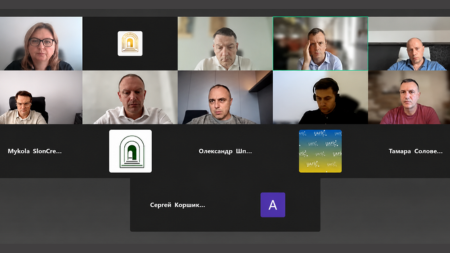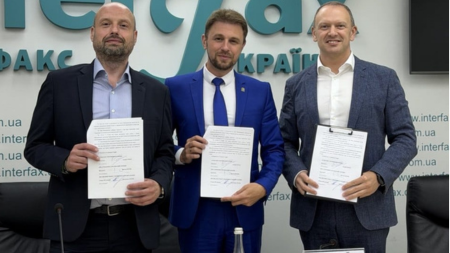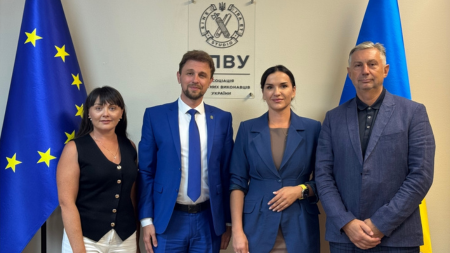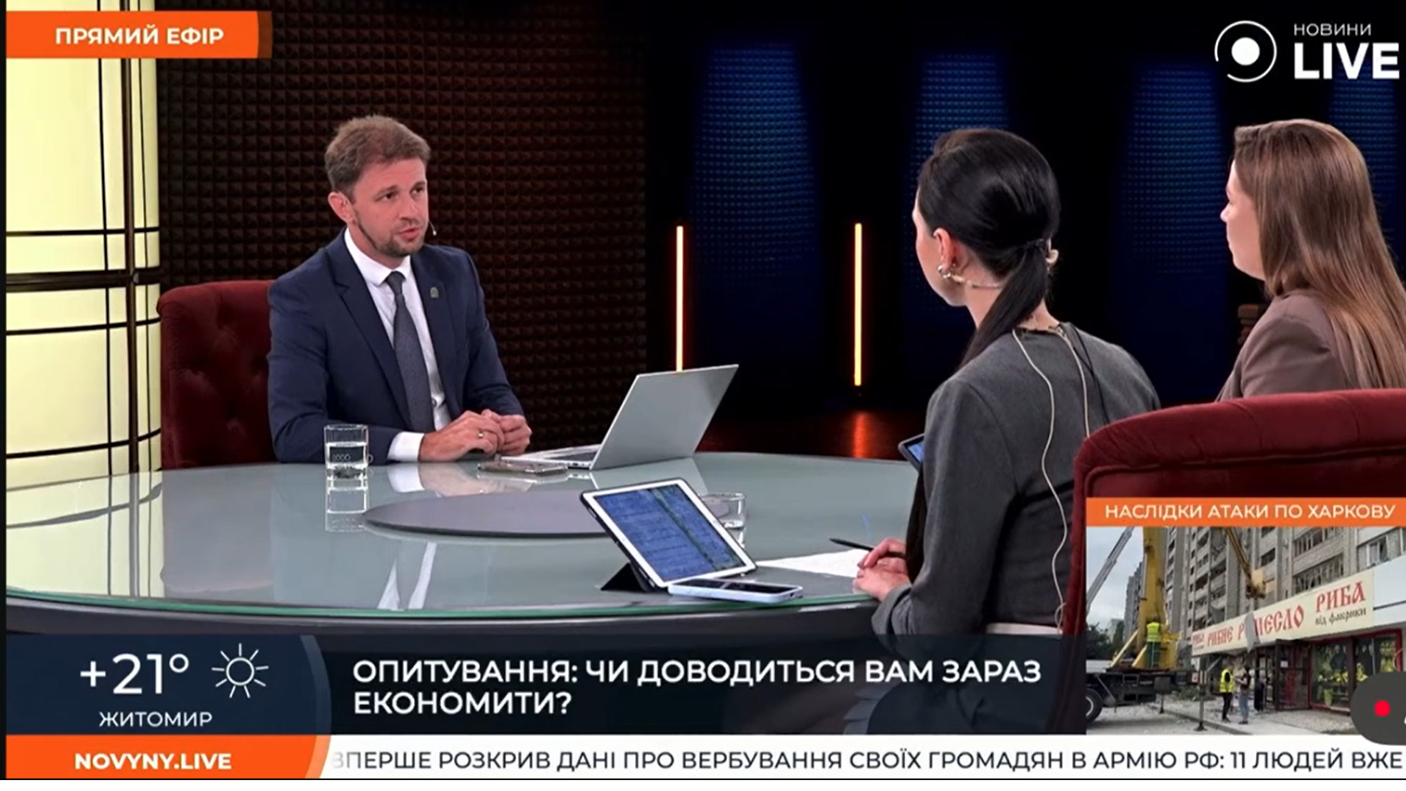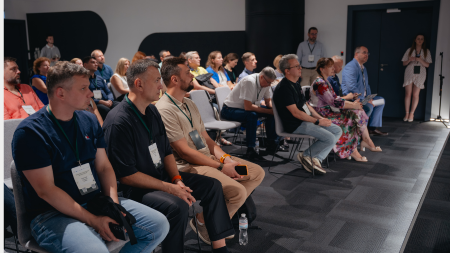

On July 30, 2026, the Association of Ukrainian Banks, in collaboration with VSchool, held a professional meeting of the expert community on the topic “AML/CFT System: International Standards, Regulatory Practices, and the Voice of the Financial Sector.” The event brought together more than 160 participants, including specialists from banking and non-banking financial institutions.
Ukraine’s Preparation for the MONEYVAL Evaluation
During the event, participants examined the specifics of how the national AML/CFT system operates and emphasized the importance of Ukraine’s proper preparation for the next round of the MONEYVAL mutual evaluation.
Special attention was given to key FATF recommendations and practical steps for the financial sector’s preparation for the evaluation. Participants discussed the FATF’s role in the global system for combating money laundering, terrorist financing, and the financing of the proliferation of weapons of mass destruction; the role of MONEYVAL as a regional body modeled after the FATF; and the specifics of Ukraine’s new mutual evaluation cycle.
They emphasized the shift in approaches to country evaluations: the primary focus is shifting from the formal existence of legislation, internal documents, and procedures to demonstrating their practical effectiveness. In this regard, the financial sector must be prepared to demonstrate tangible results from the application of a risk-based approach, proper customer due diligence, monitoring of threshold transactions, detection of suspicious financial transactions and activities, and enforcement of sanctions controls.
The meeting also highlighted the crucial role of the National Bank of Ukraine during the MONEYVAL mutual evaluation, particularly in presenting the results of state regulation and supervision, as well as in confirming the effectiveness of financial monitoring in the banking and non-banking sectors. For their part, financial market representatives expressed their readiness to support the regulator, facilitate proper preparation for the evaluation, and consolidate efforts to ensure a strong presentation of the results of the national AML/CFT system.
Participants discussed practical steps through which financial institutions can support the regulator and contribute to the proper presentation of the sector’s achievements. In particular, the discussion focused on providing high-quality and comparable data, well-substantiated statistics, practical case studies, and other materials confirming the effectiveness of AML/CFT requirements.
Supervisory Practices of the National Bank of Ukraine
The next thematic panel was devoted to the supervisory practices of the National Bank of Ukraine and the application of enforcement measures against banks and non-bank financial institutions for violations of AML/CFT legislation.
The discussion was based on official publications by the National Bank of Ukraine for the first half of 2026 and focused on the nature of the identified violations. Participants reviewed typical violations identified through supervisory activities, as well as the regulator’s approaches to assessing the organization of financial monitoring at institutions.
Typical violations in the operations of banks and non-bank financial institutions were categorized and presented separately.
Following the discussion, it was noted that supervision is increasingly focused not only on the formal existence of documents and procedures, but also on an institution’s ability to effectively manage risks and properly apply the prescribed mechanisms in practice.
Particular emphasis was placed on a differentiated approach to supervisory responses: procedural shortcomings may result in the application of more moderate enforcement measures, whereas systemic violations indicating the ineffectiveness of the internal financial monitoring system may lead to stricter enforcement measures and corresponding sanctions.
The practical portion of the panel was also devoted to preparing financial institutions for inspections by the National Bank of Ukraine. Participants discussed what documents, data, and factual evidence an institution can use to demonstrate to the regulator the effectiveness of its financial monitoring system and the soundness of its decisions.
Use of Open Data
A representative from OpenDataBot introduced participants to the registry of financial institutions subject to enforcement measures by the National Bank of Ukraine. The registry enables financial market participants to obtain comprehensive information on the history of regulatory decisions regarding partners and counterparties.
The presentation also included statistics from the registry for 2024–2026 and demonstrated practical ways to use open data to vet financial institutions and assess the risks of doing business with them.
The Association emphasizes the importance of engaging companies—providers of open data and analytical services—in the professional community in the field of financial monitoring and their active participation in expert discussions.
This approach is already being implemented in practice: representatives from companies such as VKURSI, OpenDataBot, and AML.point, among others, have participated in discussions on industry-specific issues. Participation in these discussions allows such companies to demonstrate the capabilities of their analytical products in solving complex practical problems, better address the needs of financial institutions, and contribute to the creation of a competitive environment for the development of modern AML/CFT solutions.
Open Dialogue with the Financial Sector
The final discussion session was devoted to an open exchange of views on current challenges, practical issues, and future directions for the development of the financial monitoring system. The Association of Ukrainian Banks will continue to develop a professional platform for open dialogue, the exchange of practical experience, and the discussion of current regulatory and technological solutions aimed at improving the effectiveness of financial monitoring in the banking and non-banking sectors.