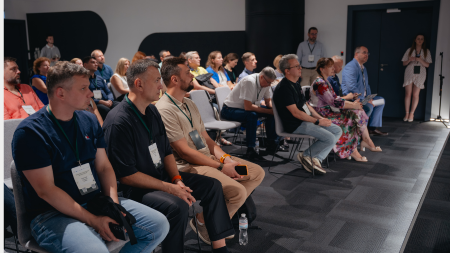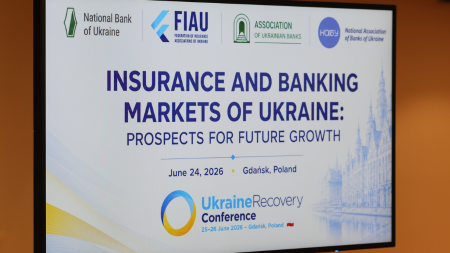

On June 25, the Ukraine Recovery Conference 2026 kicked off in Gdańsk, bringing together representatives of governments, international financial institutions, the business community, and experts to discuss Ukraine’s post-war recovery.
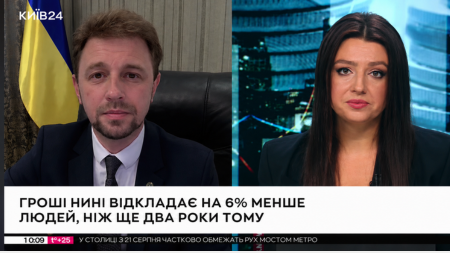
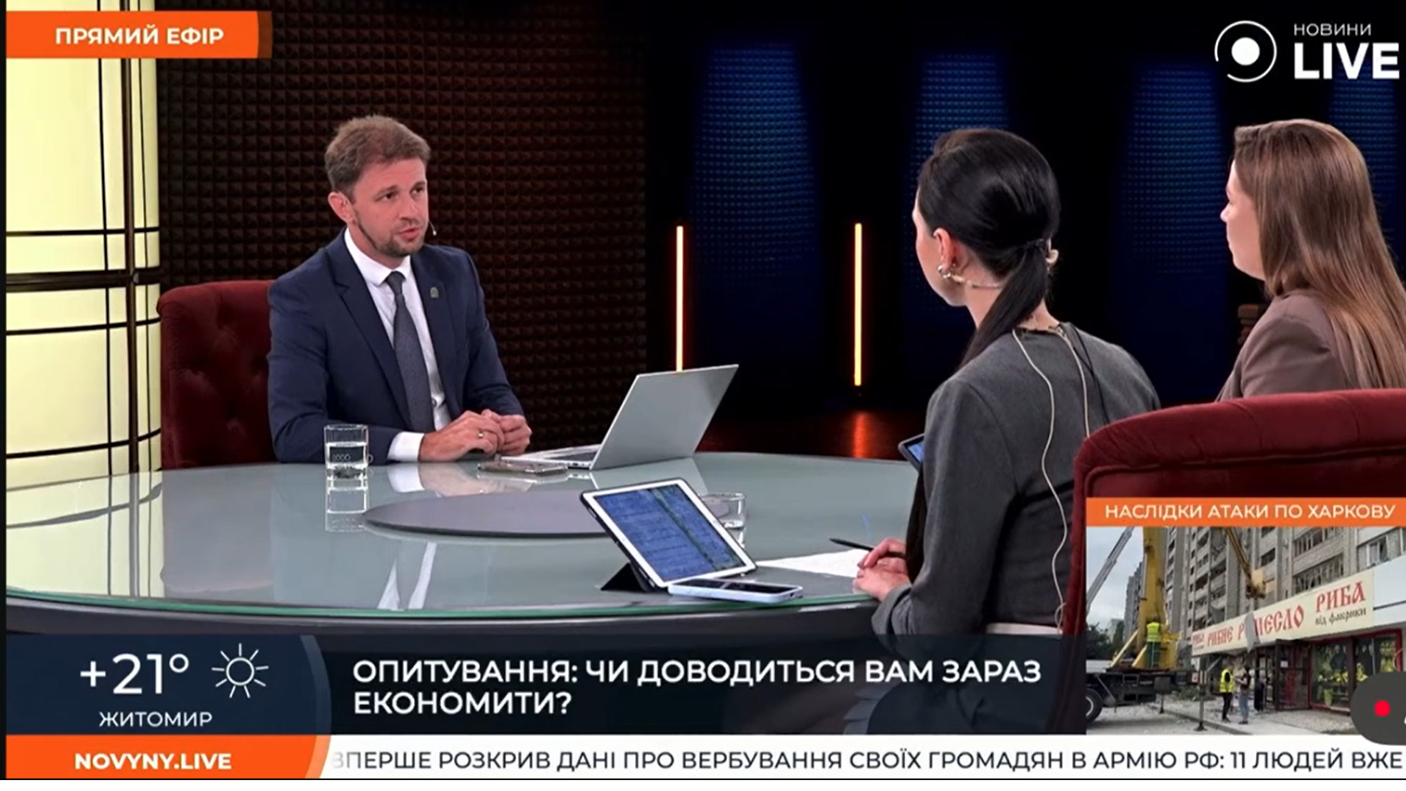
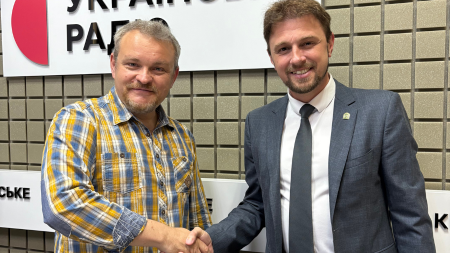
Commenting on the start of the conference during a broadcast on the Novyny.LIVE TV channel, Andriy Dubas, President of the Association of Ukrainian Banks, stated that frozen Russian assets should be one of the primary sources of funding for reconstruction.
“If we take as a basis the figure used by the World Bank or other think tanks—which estimate the total at between $550 billion and $600 billion—then $270 billion in frozen assets, I believe, would be a starting point capable of covering nearly half of these needs,” Andriy Dubas noted.
At the same time, he emphasized that current estimates of reconstruction needs should be considered preliminary. Due to the temporary occupation of parts of Ukraine’s territory, it is not yet possible to fully assess the extent of the damage and, consequently, to determine the final amount of funding needed to rebuild the country.
“This figure should be treated with caution, as we are not yet able to analyze the extent of the damage in the temporarily occupied territories. Only after their de-occupation will it be possible to get a complete picture of the reconstruction needs,” emphasized the AUB President.
According to him, frozen Russian assets are just one source of future funding. Ukraine’s recovery will also require international financial support, private investment, and domestic economic resources.
The banking system will play a key role in this process. Although banks will not be able to finance reconstruction on this scale on their own, they are the ones responsible for providing credit to the economy, supporting the implementation of investment projects, fostering entrepreneurship, and facilitating the effective attraction of investment.
He also noted that the funding needs for reconstruction far exceed the current capacity of the Ukrainian banking system. At the same time, following a sharp decline in lending at the start of the full-scale war, banks are gradually resuming lending activity. Over the past two years, the loan portfolio has been growing at an annual rate of about 30–35%, indicating that banks are ready to play a more active role in financing economic development and future reconstruction.
That is precisely why, Dubas emphasized, government policy should be aimed at strengthening banks’ financial capacity, not weakening it.
“Businesses pay income tax at a rate of 18%, while for banks, the rate has been set at 50% for the third time since the start of the full-scale war. We are categorically opposed to this approach,” he stated.
According to the banker, if the government expects the banking sector to play an active role in postwar reconstruction, banks must retain sufficient financial resources to lend to businesses, implement investment projects, and support economic development. That is why decisions that limit banks’ ability to build up capital and expand their loan portfolios run counter to the strategic goal of restoring the Ukrainian economy.