
Through the end of 2026, cashback will remain one of the main tools of competition among Ukrainian banks. However, financial institutions will increasingly compete not just on the amount of cashback offered, but on the quality of personalization, the convenience of their mobile apps, and their ability to offer customers benefits specifically in the categories where they regularly spend money.
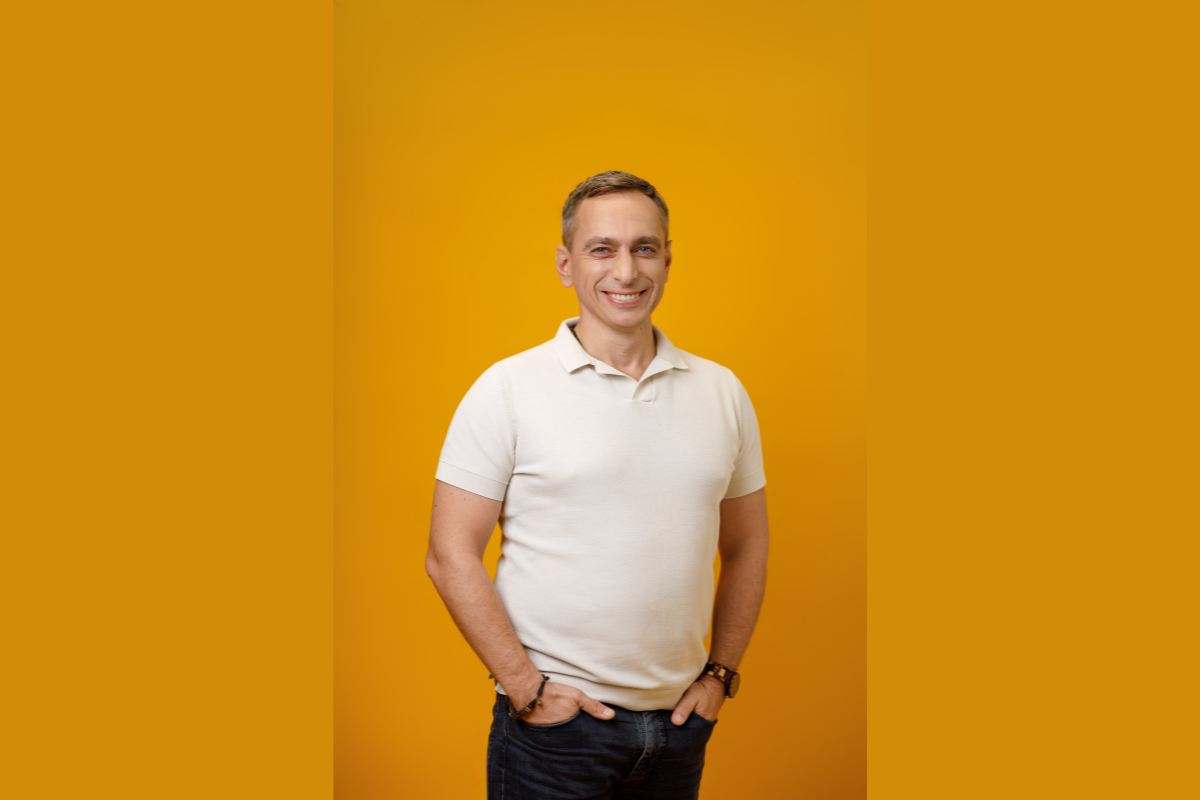
This was stated by Volodymyr Solodkyi, Director of the Digital Business Department and a member of the Management Board at GLOBUS BANK.
According to him, bank cashback is gradually shifting from the category of temporary promotional bonuses to a core element of digital banking. This trend is reinforced by the continued spread of cashless payments.
According to data from the National Bank, Ukrainians conducted 8.18 billion cashless transactions using payment cards in 2024. In 2025, that number grew by 11% to 9.08 billion. In the first quarter of 2026, another 2.21 billion such transactions were carried out, which is 5.9% more than during the same period last year.
At the same time, the share of cashless transactions in the total number of card transactions increased from 94.6% in 2024 to 95.5% in 2025 and 96% in the first quarter of 2026.
The spread of cashless payments is also creating conditions for the development of bank loyalty programs. According to an expert, as of early August 2026, 19 Ukrainian banks and banking brands were offering their own cashback programs.
“We are currently witnessing a transformation in consumer habits. Mobile apps have definitively become the primary channel for interacting with banks, and contactless payments have become almost instinctive—for many users, this is already a daily, nearly ‘automatic’ action. In addition, customers actively use multiple banks simultaneously. We see a clear pattern: when a customer experiences the value of cashback on one card, they begin to seek a similar experience in their other financial apps. Therefore, cashback can now be considered a basic customer need,” noted Volodymyr Solodkyi.
About 40% of active card users regularly use cashback
Volodymyr Solodkyi noted that there are currently no unified statistics on the use of cashback programs. At the same time, he believes that general trends may be very similar across all banks that have introduced cashback. As an example of digital banking user behavior, the expert cited the bank’s internal statistics.
“As of August 2026, approximately 40% of all monthly active GlobusPlus card users are actively using the cashback program. At the same time, overall interest in the cashback mechanism is even higher: over 60% of the active user base registered in the GlobusPlus app log in every month to select their cashback categories, and over 40% regularly receive actual cashback on their purchases. The significant growth in the number of users is also evident. For example: in 2025, the number of active users of the GlobusPlus cashback program grew by 30% compared to the previous year. In 2026, stable positive growth continues thanks to both the organic influx of new users and increased activity among existing cardholders,” the expert emphasized.
Volodymyr Solodkyi also emphasized that cashback is becoming a key driver in building product habits and increasing engagement metrics. Selecting categories on the first day of each month has already become a pleasant habit for customers, which boosts activity in the early days of the month. At the same time, the ability to track accumulated savings daily encourages people to return to the app regularly throughout the month.
“As a result, a routine trip to a store or café turns into tangible savings. This boosts loyalty to the bank and motivates customers to use a specific card more often for daily payments. In the financial sector, this effect is called ‘top-of-wallet’: the card becomes the primary one in the user’s physical or digital wallet,” the banker explained.
Cashback for Daily Purchases Is in Highest Demand
Among cashback categories, “Groceries” is the most popular in Ukraine—over 70% of cashback program users choose it. This makes sense, as supermarkets and groceries are one of the main categories of daily expenses. The top three most popular categories also include the basic categories “Cafes and Restaurants” and “Pharmacies.”
“Most of the selected cashback categories fall precisely into the basic categories. Customers primarily seek to receive real benefits from their daily and regular purchases. This trend is also confirmed by usage statistics: the ‘Groceries’ category is the absolute leader not only in terms of the number of users but also in terms of actual transactions. In other words, it is this category that provides customers with the greatest practical value within the cashback program,” said Volodymyr Solodkyi.
The expert explained that cashback can be divided into categories offered by the bank and partner offers.
Within the bank’s program, customers typically select several categories from the proposed list. These categories may change monthly but generally cover popular areas of everyday spending.
Partner cashback is developed in collaboration with retailers, service providers, and brands. In such offers, the cashback percentage can be significantly higher, as they are designed to attract a new audience or encourage repeat purchases.
What Determines the Amount of Cashback
In banking programs, cashback may be funded from the card product’s revenue stream. Sources may include transaction revenue, the marketing budget, or the overall customer service budget. In addition to the bank, partners and the payment infrastructure may also contribute to funding the rewards.
The bank independently determines the program’s terms: which spending categories qualify for cashback, what percentage is returned, and what limits, timeframes, exceptions, and participation rules apply.
The amount of cashback is directly influenced by the spending category, its popularity, and its economic viability for the bank. The availability of partner offers and promotional campaigns—during which the cashback rate may be temporarily increased—also play an important role.
He asserts that cashback today is not merely a marketing promotion but a full-fledged loyalty program tool. For the bank, it is a way to increase the number of non-cash transactions, make the card the customer’s primary payment method, and boost their engagement with other financial services. For the user, it is an opportunity to get a portion of their money back on everyday purchases without changing their usual financial habits.
“If a user knows that a particular card offers cashback across several relevant categories at the same time, they’ll be more likely to use that card,” the expert noted.
What Will Cashback Programs Look Like by the End of 2026
By the end of 2026, cashback will remain one of the key tools for competition among banks, but its format will gradually evolve.
While high, universal cashback rates were previously the main way to attract customers, the market is now moving toward more personalized and cost-effective loyalty programs.
Smart personalization will be one of the main drivers of this development. Instead of offering the same terms to all users, banks will increasingly use transaction analytics to create individualized cashback categories, limited-time promotions, and partner offers that are as relevant as possible to each specific customer.
This allows banks to use their marketing budgets more effectively and enables users to receive more tangible benefits.
At the same time, the development of cashback programs will largely depend on the state of the card business. The main factors will remain revenue from non-cash transactions, the size of the interchange fee, partners’ participation in financing loyalty programs, and the overall cost of acquiring and retaining customers.
One area of growth will be the expansion of partner ecosystems. An increasing number of retailers, service providers, and retail chains are willing to co-fund cashback programs, as they help attract loyal customers, encourage repeat purchases, and boost customer engagement.
“We can expect that by the end of 2026, cashback programs will become less widespread but more deeply integrated into the daily customer experience. Banks will compete not just on abstract interest rates, but on the quality of personalization, the convenience of the interface, and the ability to offer benefits exactly where customers make their daily purchases,” predicts Volodymyr Solodkyi.
How to Choose Cashback Categories and Get Real Benefits
The main rule is to choose cashback categories based on your own regular spending, rather than focusing solely on the highest cashback percentage.
Experience shows that users who align their categories with their actual spending habits reap the greatest financial benefits.
“For example, if a significant portion of your monthly budget goes toward groceries, utility bills, or transportation, even a small cashback rate can result in a larger total return than a high percentage in a niche category where you shop only a few times a year. Therefore, before choosing categories, it’s worth simply analyzing your own spending over the last two to three months and determining where the bulk of your budget actually goes,” the banker advised.
At the same time, the cashback percentage isn’t always the key factor. It’s just as important to pay attention to the program’s terms and conditions: the maximum monthly cashback amount, the list of eligible transactions, category restrictions, and the validity periods of special offers.
A high percentage may seem attractive, but if it applies only to a narrow list of purchases or has a low accrual limit, the actual benefit may be less than that of a program with a lower rate but broader terms.
“Ultimately, cashback should be viewed as a tool for optimizing already planned expenses. It delivers the greatest value when it rewards everyday payments, rather than encouraging people to make unplanned purchases just to receive a bonus,” concluded Volodymyr Solodkyi.
JOINT-STOCK COMPANY “COMMERCIAL BANK ‘GLOBUS’” (GLOBUS BANK) was founded in 2007.
As of August 2026, its regional network consists of 34 branches, 29 of which are part of the Power Banking network, enabling them to operate during power outages.
GLOBUS BANK has been assigned the highest credit rating on the national scale at uaAAA, as well as a deposit rating of ua2+ on the scale of the “Expert-Rating” rating agency.
The bank’s priority areas of activity include lending for energy-efficient projects, mortgage lending in the primary market, auto loans, and lending to small and medium-sized businesses.
GLOBUS BANK is an accredited partner of a number of government programs: the “eOselya” state mortgage program; the “5-7-9” preferential lending program for small and medium-sized businesses; “Affordable Factoring”; “Affordable Financial Leasing 5-7-9”; and “Energy Independence for Individuals—Homeowners.”
The bank is a partner of the State Agency “Energy Efficiency Fund” under the “Energodim” and “GreenDIM” lending programs for homeowners’ associations and housing cooperatives.
The bank participates in the “National Cashback” government program.
The bank operates its own mobile app, GlobusPlus. The app offers a wide range of services that make managing your finances convenient and efficient anytime, anywhere.
On June 25, 2024, GLOBUS BANK became one of the 17 largest Ukrainian banks to sign a Memorandum on lending for energy infrastructure restoration projects.
Serhiy Mamedov, Chairman of the Board of GLOBUS BANK, is Vice President of the Confederation of Builders of Ukraine and Vice President of the Association of Ukrainian Banks.