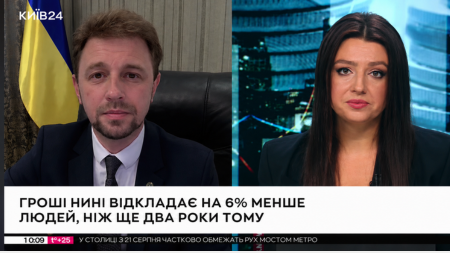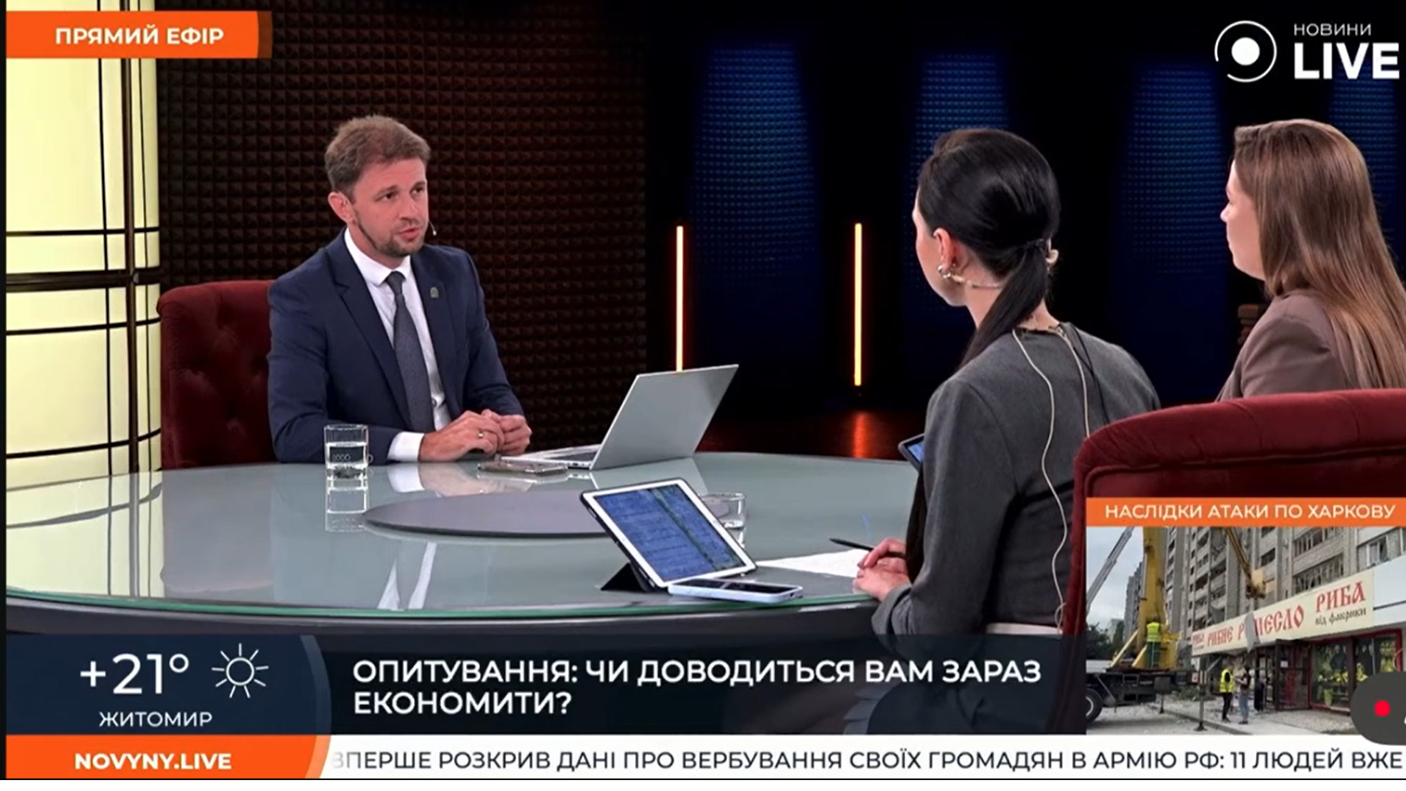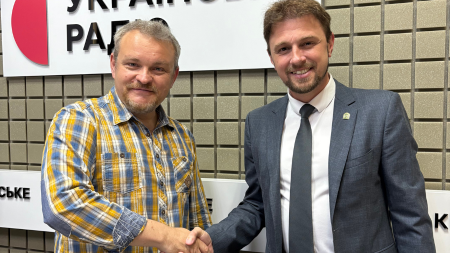

Millions of Ukrainians living abroad have no idea that their bank accounts may be at risk right now. The reason is a simple Ukrainian SIM card they left at home. Vitaliy Romanchukevych, First Vice President of the Association of Ukrainian Banks, explained how scammers use it and what to do right now during the “Yedyni Novyny” marathon broadcast.
According to the National Bank of Ukraine, in 2025 the number of fraudulent transactions involving payment cards decreased by 5%—to 256,000. However, the total amount of losses rose by 24% to 1.4 billion UAH. The average amount per fraudulent transaction increased from 4,247 to 5,536 UAH. In other words, there are fewer scammers—but each one is stealing more.
Dormant Numbers as a Tool for Fraudsters
The problem is that mobile operators can reassign numbers that have not been topped up or used for calls for a long time to new subscribers. If a bank account or card is linked to such a number, attackers gain potential access to the former owner’s finances.
“Since many Ukrainians who have left the country have left their mobile numbers inactive—they don’t top up their accounts or make active phone calls—mobile operators assume the number isn’t being used and reassign it to others. And your online banking account and your cards are linked to that number. Unfortunately, cybercriminals take advantage of this, and you may lose access to your mobile banking,”noted Vitaliy Romanchukevych.
One common scam involves reissuing a SIM card by deceiving the victim. Scammers may call several times without saying a word, or deposit a small amount (for example, 100 hryvnias) into the account, and then use this information to identify themselves as the “owner” of the number with the mobile carrier.
What to do to protect yourself
Vitaliy Romanchukevich provided specific recommendations:
check which mobile number is linked to your bank cards and accounts;
change it at the bank to the one you actively use;
register your SIM card with your mobile carrier; enable two-factor authentication;
any unexpected account top-up from strangers is a red flag—contact your bank immediately.
If fraud has already occurred
Time is of the essence. First, block the card via the app or by calling the bank, then contact your mobile operator and file a report on the Ukrainian Cyberpolice website. If the customer voluntarily provided access codes or passwords to the fraudsters, the chances of recovering the funds are significantly reduced.
Inflation and Preserving Capital
Inflation, which has accelerated to nearly 8% year-over-year, was a separate topic of discussion. According to Romanchukevych, the main factors are external: rising fuel and oil prices, which lead to higher costs for logistics and imported goods. The NBU’s discount rate remains at 15%, which supports the attractiveness of hryvnia-denominated instruments. Amid rising prices, the issue of preserving funds becomes even more pressing—and it is all the more important to act proactively.
Vitaliy Romanchukevych emphasized: citizens’ financial security today directly depends on their financial literacy. In wartime, when millions of Ukrainians are abroad and cybercriminals are constantly refining their fraud schemes, everyone must take a conscious approach to protecting their accounts. Timely verification of linked phone numbers, SIM card personalization, and diversification of savings—these are not complicated steps, but they are precisely what can protect the funds of thousands of Ukrainian families.