
Andriy Dubas, President of the Association of Ukrainian Banks, appeared on the “Inter” TV channel to discuss how to preserve the purchasing power of savings amid fluctuations in the hryvnia exchange rate, what guarantees are in place for bank depositors, and why external financing remains a key factor in the hryvnia’s stability.
Since the beginning of 2026, the cash exchange rate of the hryvnia has moved from 42.5 UAH per dollar to 45 UAH, after which it retreated to the range of 44.2–44.8 UAH. According to the AUB President’s estimate, exchange rate fluctuations will amount to about 6% over the year.
Two Compensation Tools
Two tools, available to both the public and businesses, can help offset these fluctuations:
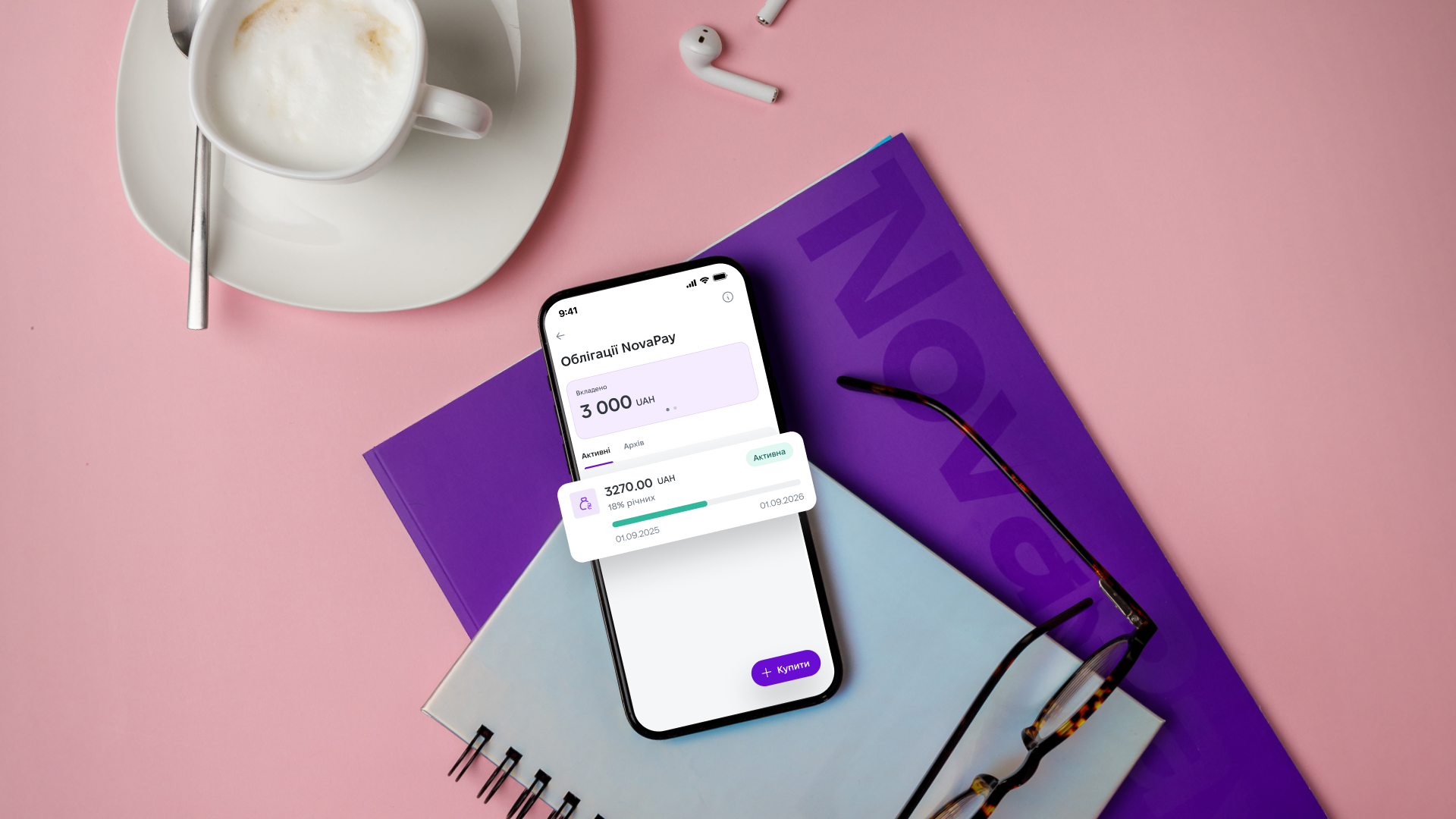
OVDP (domestic government bonds)—yield of 15–16% per annum, tax-free, with a minimum investment threshold of 1,000 UAH;
bank deposits—yield of 15–16% depending on the bank, subject to personal income tax and the military levy.
According to the association’s head, the 16% yield on these instruments offsets exchange rate losses and provides an additional premium of around 10%. He noted that when setting the exchange rate, the National Bank aims to ensure that the yields on government bonds and deposits exceed exchange rate and inflation losses at the end of the year.
Cash foreign currency does not offer such protection: inflation in the eurozone and the U.S. (estimated at 3–4%) erodes the value of both dollars and euros simply held at home.
Deposit Guarantees: No Limit on Amount
For the duration of martial law, the Deposit Guarantee Fund guarantees a 100% refund of deposits held by individuals and individual entrepreneurs in the event of a bank’s bankruptcy—with no limit on the amount (prior to the war, the limit was 600,000 UAH). The guarantee remains in effect throughout martial law and for three months after its conclusion.
Foreign currency deposits will be converted to hryvnia at the exchange rate in effect at the time of repayment. This guarantee does not apply to deposits held by legal entities. Regarding the reliability of domestic government bonds, the association’s president cited historical precedent: there has never been a single instance in which the state failed to honor its domestic government bonds throughout their entire history.
External Financing as a Factor in the Hryvnia’s Stability
Exchange rate fluctuations are linked to the volume of external financial support. Finance Minister Serhiy Marchenko stated that Ukraine needs $90–95 billion in external financing for 2026; as of now, $52 billion has been secured through contracts. If the amount of external support does not cover the need, the shortfall must be covered through the domestic debt market—by raising additional funds through government bonds from the business sector and the banking sector.
What’s Behind the Exchange Rate Trend
The current trend is primarily driven by geopolitical factors: rising fuel prices (from 65 to 85–92 UAH per liter at gas stations) are increasing demand for foreign currency among the public and businesses seeking to protect their funds. The available financial instruments—OVDPs with a minimum investment of 1,000 UAH and bank deposits—remain the familiar way for Ukrainians to safeguard their savings without the additional risks associated with holding foreign currency in cash.