
The Ukrainian banking system is transitioning to a new operating model focused on transparency, technology, and accountability. In 2026, banks will actively implement European integration tools, rules, and standards, which may significantly change the daily operations of the financial market in the near future. European standards are shaping a new quality of financial services for customers and, at the same time, opening up access to international capital for banks, becoming key elements in the integration of Ukraine’s financial market into the European space.
This was stated by Serhii Mamedov, Vice President of the Association of Ukrainian Banks, Chairman of the Board of GLOBUS BANK.
According to him, the key areas of European integration, apart from Ukraine’s accession to SEPA (Single Euro Payments Area), are the implementation of ESG standards (Environmental, Social, Governance — integration of environmental, social, and governance criteria into strategy, investment and lending to reduce risks and promote sustainable development) and integration with European payment and fintech systems within Open Banking (a system for the secure exchange of financial data between banks and third-party services, allowing accounts from different banks to be aggregated in a single application, etc.).
ESG: access to capital and a new quality of services
According to Serhii Mamedov, one of the key areas of European integration of Ukraine’s banking system is the implementation of ESG standards — environmental, social, and governance criteria in banking activities. For Ukrainian banks, this is not just a matter of image or a “fashionable trend,” but a practical condition for effective cooperation with international investors, financial organizations, and large corporate clients.
The head of GLOBUS BANK explained that ESG standards allow banks to more accurately assess the risks of loans and investments, particularly those related to climate change, energy efficiency, or reputational factors. A high level of compliance with ESG criteria increases the chances of attracting financing from institutions such as the EBRD, IFC, or other international development banks, and also opens access to “green” credit and investment programs.
He emphasizes that in the context of Ukraine’s post-war reconstruction, the role of ESG will only grow. Banks that are already adapting their internal processes to these standards will gain a long-term competitive advantage. ESG in banks is a strategic tool that helps combine financial efficiency, social responsibility, and access to international resources, creating a new quality of banking services for customers of all categories.
“When we integrate environmental and social criteria into lending, it allows us to create more sustainable portfolios, offer innovative solutions to customers, and
At the same time, it increases the trust of international partners. For example, financing energy efficiency or renewable energy projects not only reduces environmental risks but also opens up new markets for small and medium-sized businesses. In addition, social initiatives (from employee support to inclusive programs for customers) increase loyalty and trust, which directly affects the bank’s financial results. This approach is becoming an important factor in attracting long-term capital and developing modern banking services in Ukraine,” the banker noted.
Open Banking: a customer-centric financial system
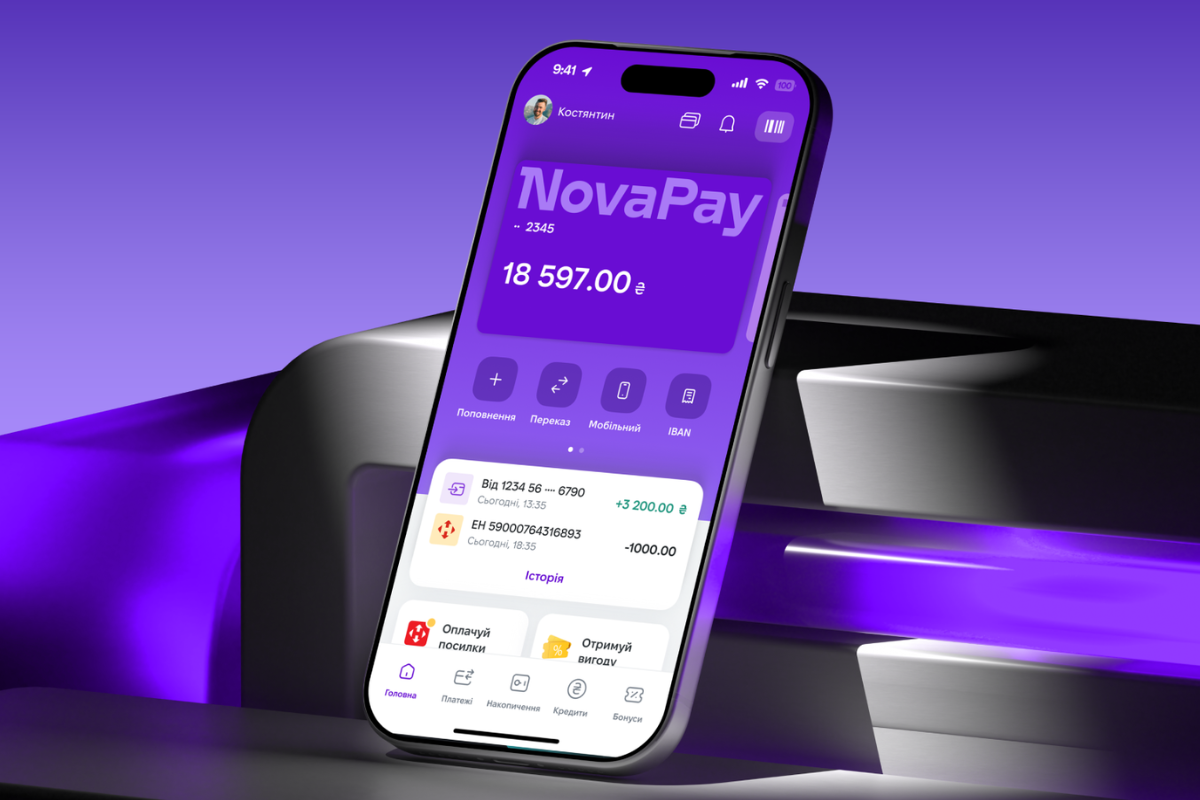
The third important direction of European integration of the Ukrainian banking system is the implementation of European payment standards PSD2 and the development of Open Banking. In simple terms, open banking allows financial data to be shared securely between banks and fintech companies, but only with the customer’s consent. This gives the user complete control over what data they are willing to share and with whom.
“Open Banking opens up new opportunities for both customers and banks. Customers receive modern services — from quick comparison of credit terms from different financial institutions to automated budget planning, and banks receive additional tools for risk analysis and product improvement,” said Serhii Mamedov.
Thanks to open banking, competition in the financial services market is growing, which contributes to improving their quality and accessibility. Ukrainian banks can implement innovative solutions faster, and customers get transparent terms, secure transfers, and integrated payment services that are convenient to use in everyday life.
What will change in practice for the customer
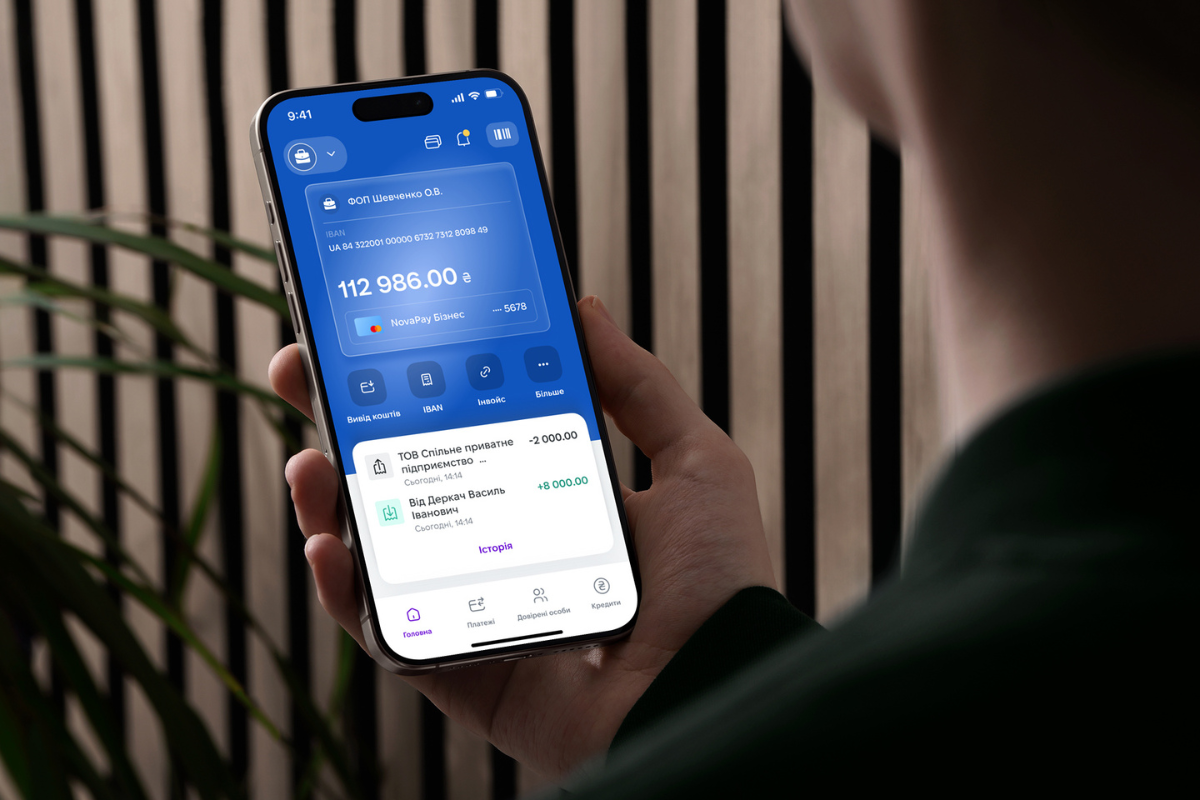
In practice, Open Banking means that all of a customer’s financial instruments can be collected in one service. If a person has accounts in two or three banks, they can give consent to one bank or fintech application to view balances and transactions in other financial institutions. It is important to note that this does not involve the transfer of logins or passwords, but rather official and secure access that the customer controls and can revoke at any time.
In addition, the loan and deposit market for the customer is effectively transformed into a convenient financial marketplace. Instead of searching for information on the websites of different banks, users can compare loan or deposit terms in a single service, see which offer is most advantageous for them, and apply immediately. In this model, it is the bank that competes for the customer by offering better terms and service.
Another practical result is the emergence of tools for smart cost control. Financial applications can automatically collect information about expenses from different cards, show the real structure of spending, and suggest where costs can be optimized. Whereas such solutions used to work manually or through semi-legal mechanisms, with the introduction of PSD2 standards, this process has become official and secure.
Payments deserve special attention. Open Banking allows transfers to be made directly from an account, without card intermediaries, making transactions faster and cheaper. For customers, this means lower fees, faster crediting of funds, and the gradual emergence in Ukraine of European payment services that have already become familiar to users in EU countries.
“The introduction of Open Banking is the foundation for a new quality of banking services, where the main beneficiary is the customer. Each user receives secure, convenient, and transparent access to finances, while banks can offer more personalized and effective products,” emphasized Serhii Mamedov.
As the expert noted, three areas—SEPA, ESG, and Open Banking—form a unified strategic system for integrating the Ukrainian financial market into the European space, increasing transparency and bringing it closer to EU standards.
“New quality standards, transparency, and high public confidence in the banking system are a must for full European integration,” Serhii Mamedov concluded.
JOINT STOCK COMPANY “COMMERCIAL BANK ”GLOBUS” (GLOBUS BANK) was founded in 2007.
As of March 2026, the regional network has 34 branches, including 29 that are part of the Power Banking network, which allows them to operate in the absence of electricity.
GLOBUS BANK has been confirmed as having the highest credit rating on the national scale at uaAAA, as well as a deposit rating of ua2+ on the scale of the rating agency Expert-Rating.
The bank’s priority areas of activity are lending to energy-efficient projects, mortgage lending in the primary market, car loans, and lending to small and medium-sized businesses.
GLOBUS BANK is an accredited partner of a number of state programs: the state mortgage program “eOselya,” the preferential lending program for small and medium-sized businesses “5-7-9,” “Affordable Factoring,” “Affordable Financial Leasing 5-7-9,” “Energy Independence of Individuals – Household Owners.”
The bank is a partner of the State Agency “Energy Efficiency Fund” in the lending programs for condominiums and housing cooperatives ‘Energodim’ and “GreenDim.”
The bank is a participant in the state program “National Cashback.”
On June 25, 2024, GLOBUS BANK became one of 17 largest Ukrainian banks that signed a Memorandum on lending for energy infrastructure restoration projects.
Serhii Mamedov, Chairman of the Board of GLOBUS BANK, is Vice President of the Confederation of Builders of Ukraine and Vice President of the Association of Ukrainian Banks.